A giant power bank on wheels.
eACTROS renews pipelines without a drop of diesel.
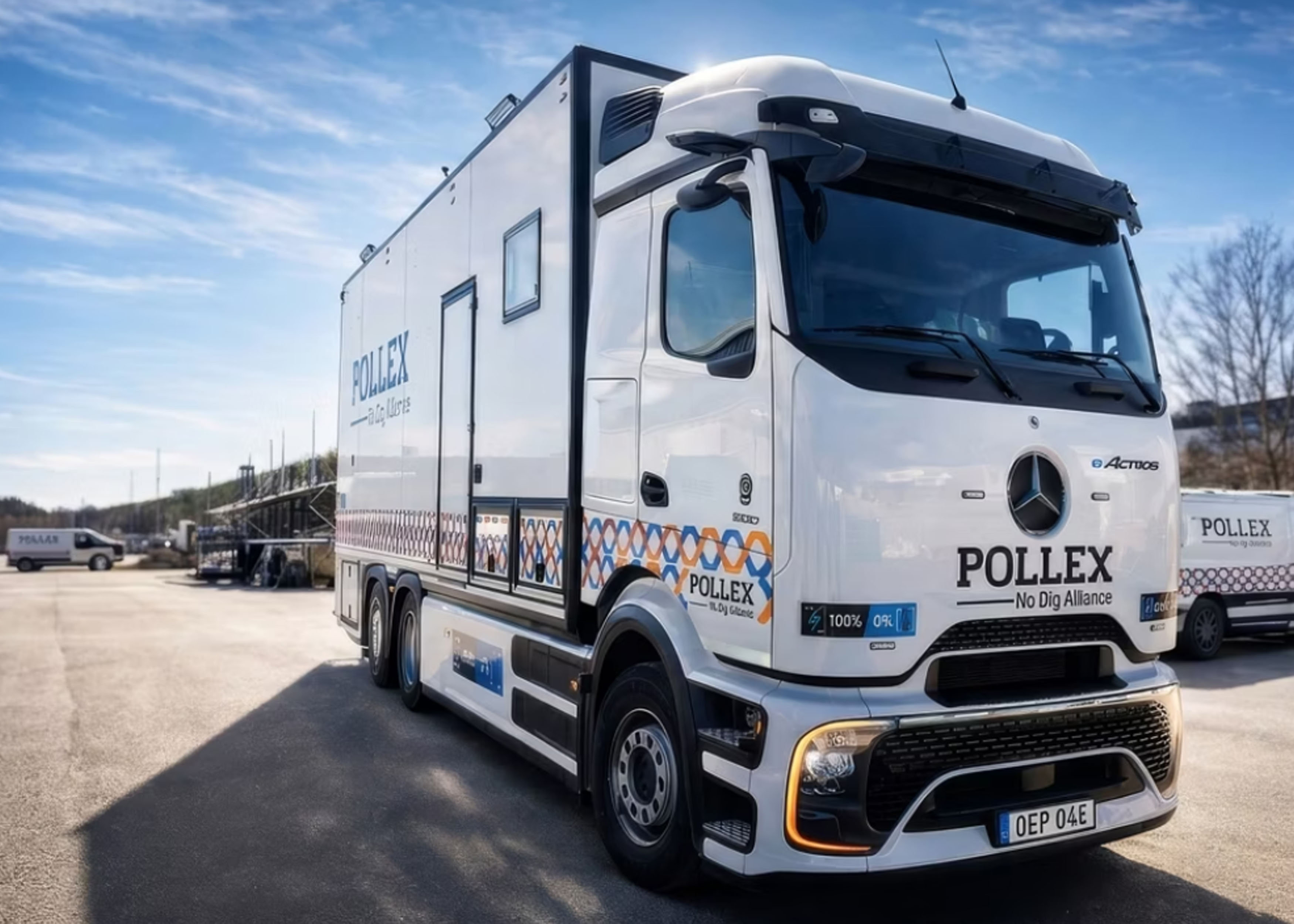
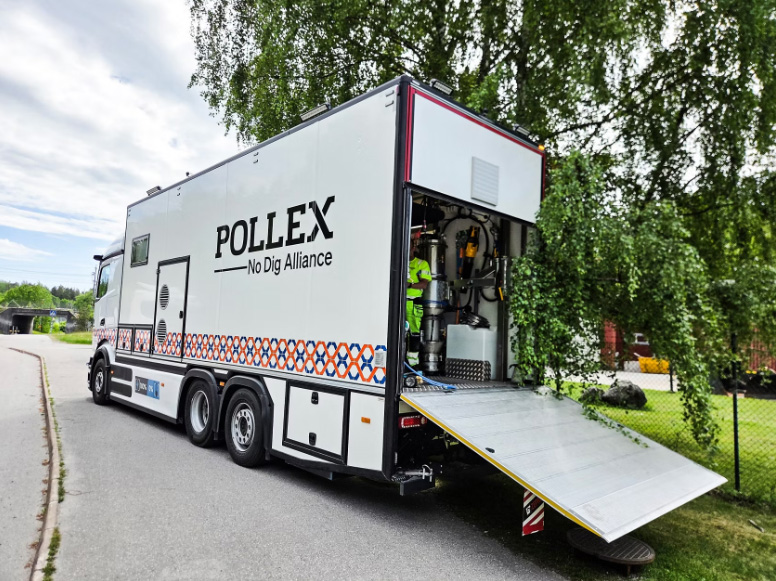
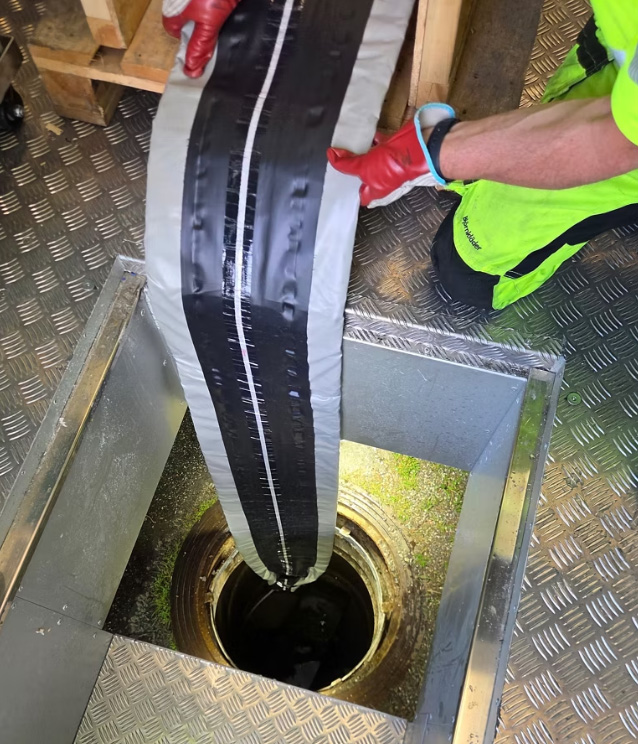
One of Pollex’s specialist services is trenchless pipeline rehabilitation using flexible liners. The process requires purpose-built vehicles equipped with powerful pumps and other specialist equipment. Pollex has developed its own vehicles for the job – and has now built its first fully electric version, based on an eActros 600.
“The truck is basically a giant power bank on wheels,” says Hans Andreasson, Head of Development at Pollex.
The truck’s battery supplies DC power, which is converted to AC and delivers up to 45 kW – enough to run the pumps and other equipment on site, as well as maintaining the correct temperature in the control room.
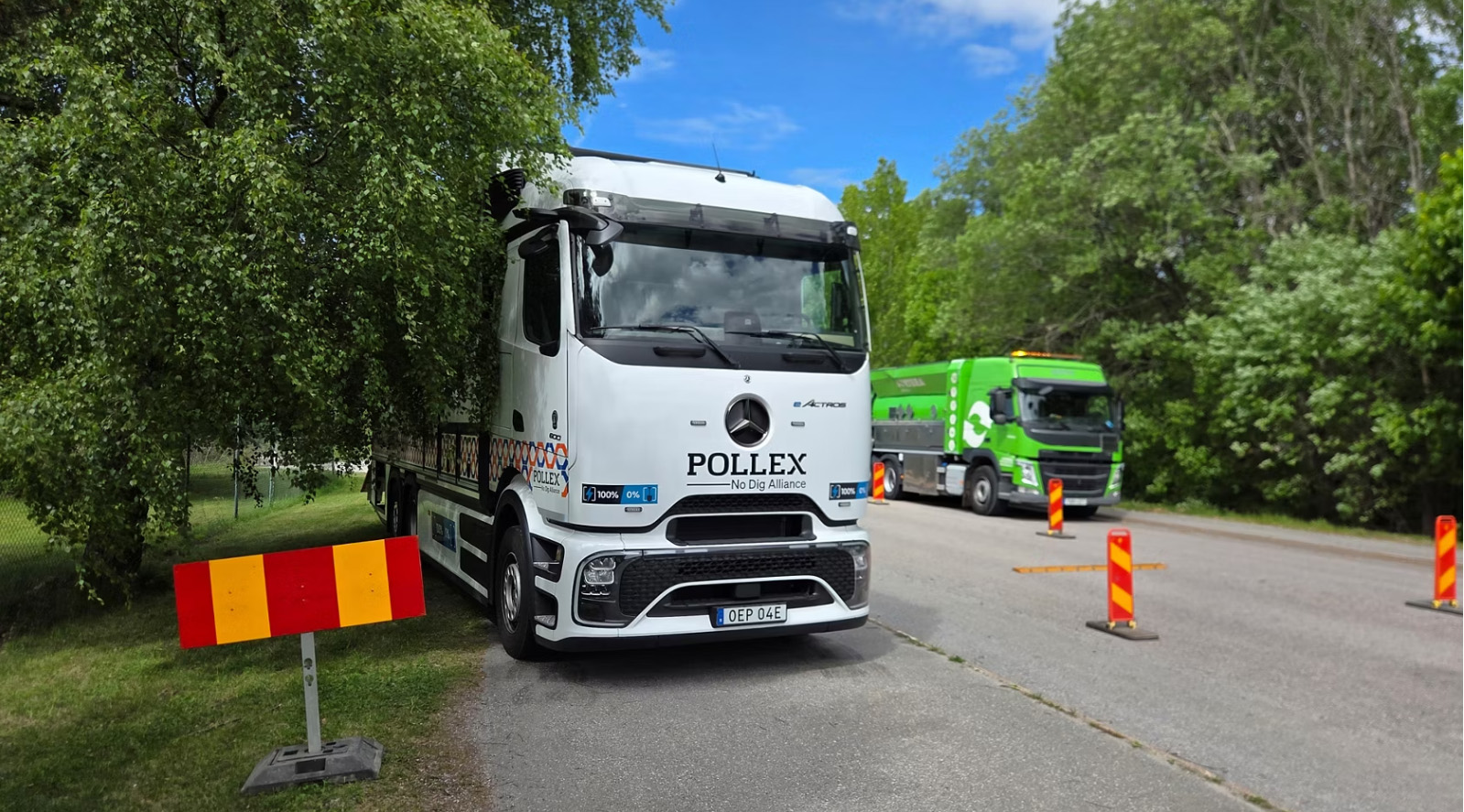
And the energy equation leaves plenty in reserve. A typical installation consumes just 40–100 kWh per day, while the truck has a battery capacity of around 600 kWh. That leaves roughly 500 kWh for driving to and from the worksite – enough for approximately 500 kilometres of driving.
“Our eActros has exceeded all expectations and works extremely well, both locally and on projects further afield. The installation team is very pleased with its performance,” says Joakim Lindholm, Regional Manager for Flexible Liners at Pollex.
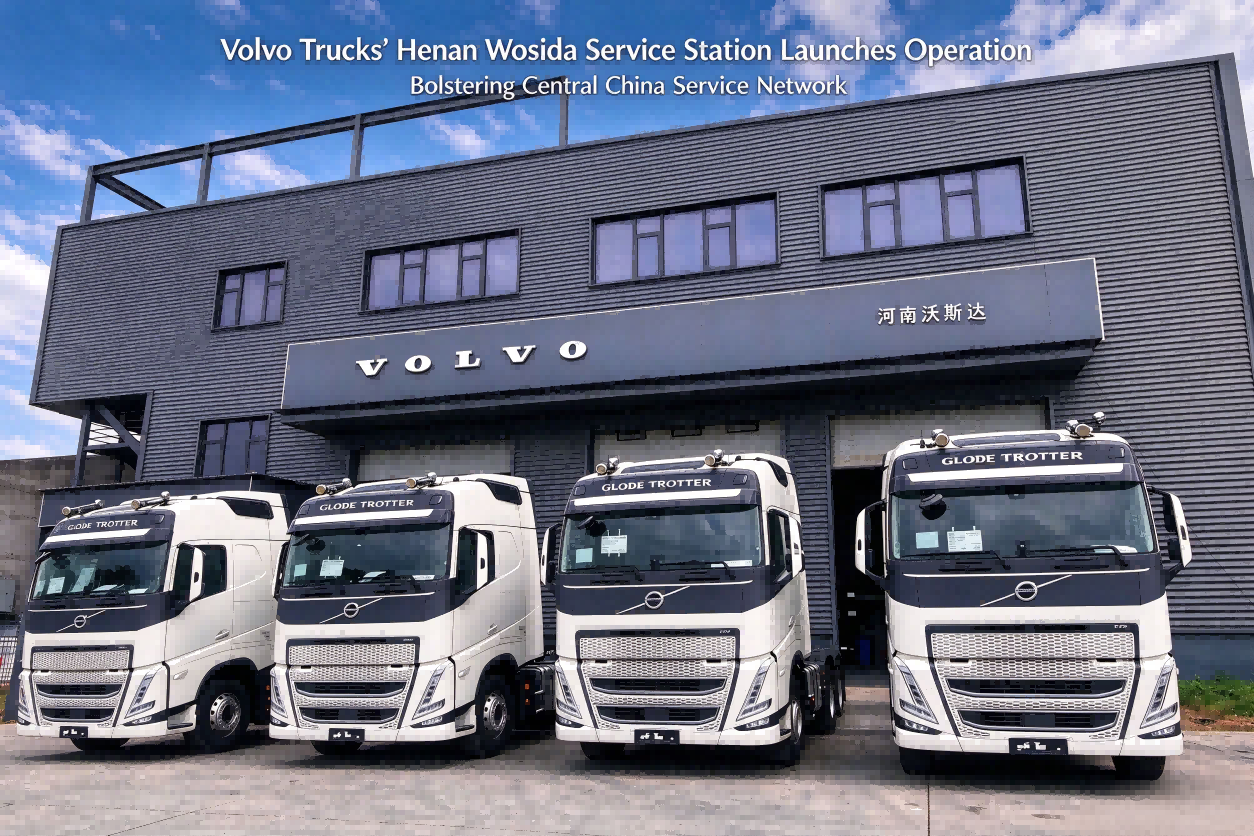
With no exhaust emissions at the worksite, the truck is equally suited to environmental zones, water protection areas and busy city centres. Low noise levels also make it possible to work at night or in residential areas with considerably less disturbance to local residents.
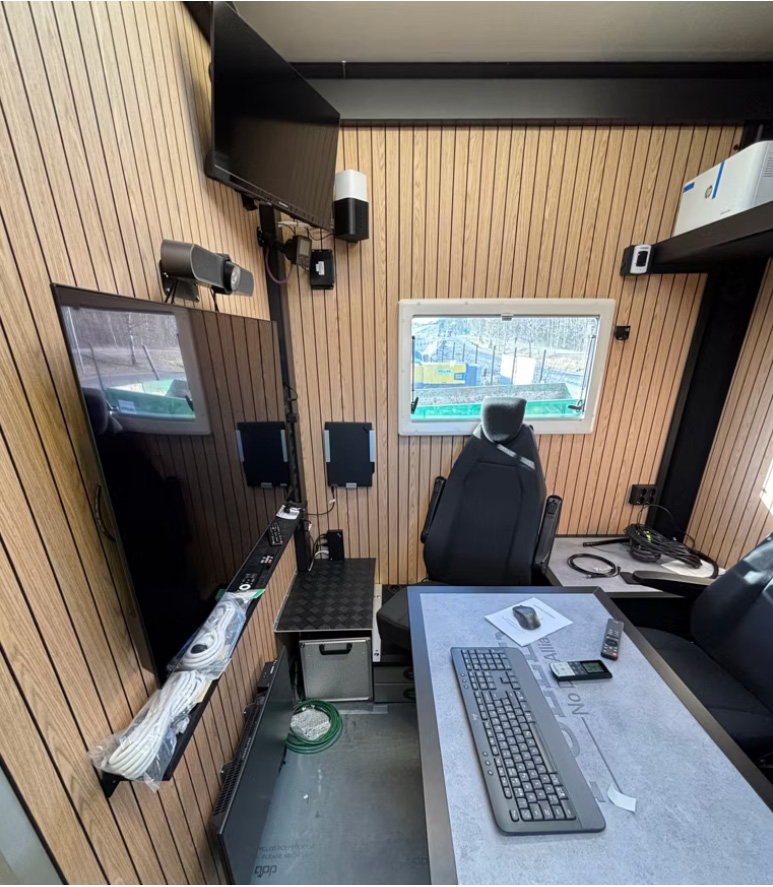
Beyond the electric driveline and power supply, the vehicle has been designed around the people who use it every day. A control console with a clear and intuitive interface helps make operation both easier and safer.

Volvo Group establishes dedicated entity to capture the growing demand in mining
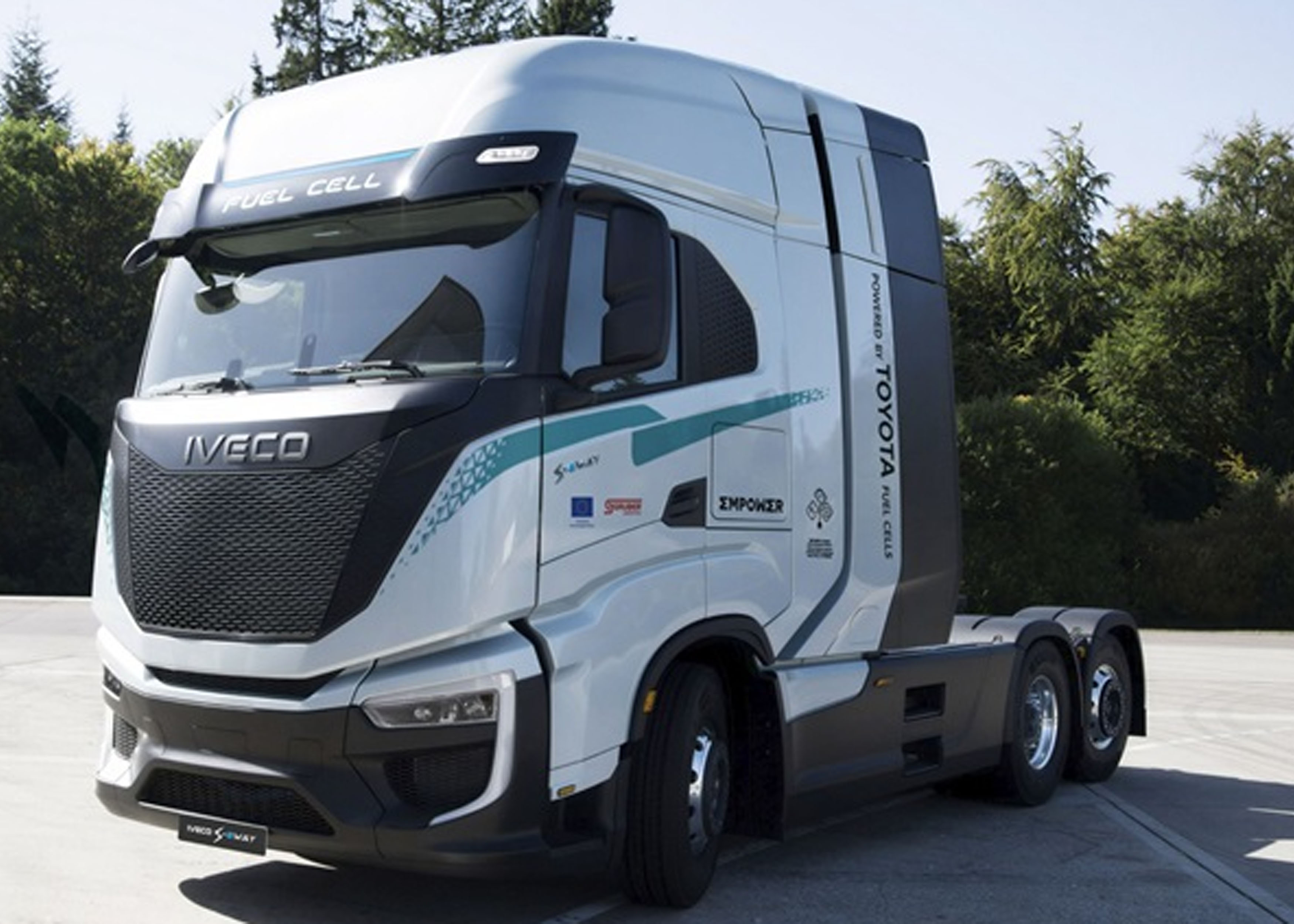
IVECO and Toyota join forces to advance next-generation hydrogen fuel cell heavy-duty trucks through the EU-funded EMPOWER project
Related Article
· Significant improvement from 70 to 82 points compared with the previous year confirms progress across all four sustainability areas assessed